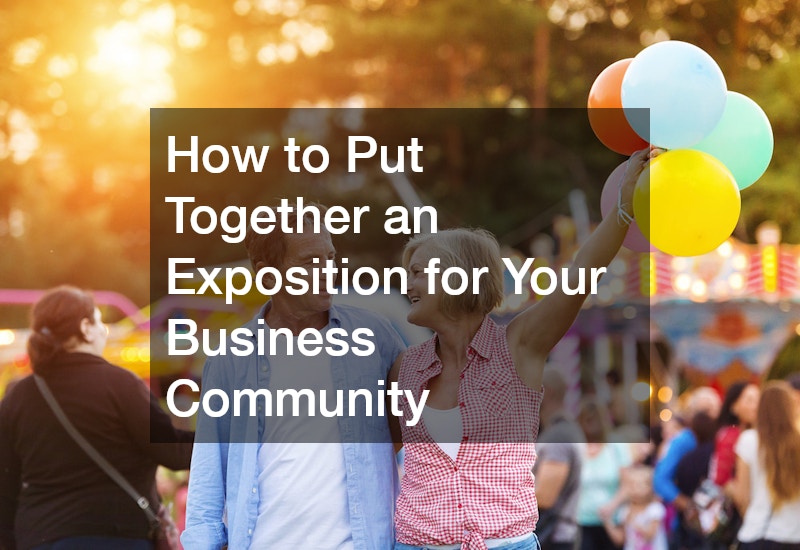
Building a successful business exposition is a monumental undertaking that serves as the heartbeat of local economic development. When done correctly, an expo is more than just a collection of booths; it is a high-energy ecosystem where handshakes turn into contracts, and local entrepreneurs find the resources they need to scale. For the organizer, it is an opportunity to position yourself as a central pillar of the community.
However, moving from a concept to a crowded hall requires meticulous planning, a deep understanding of logistics, and the ability to manage hundreds of moving parts simultaneously. This guide provides a comprehensive blueprint for planning, executing, and following up on a professional business exposition that will leave a lasting impression on your community.
Establishing the Vision and Securing the Foundation
Before a single booth is sold, you must define the “why” behind your event. Is this a general commerce expo, or is it niche-focused, such as a tech showcase or a sustainable building fair? Defining your scope early prevents “scope creep” later in the planning process. Once the vision is set, the most critical physical requirement is the venue.
Finding the right commercial property for rent is the first major hurdle. You need a space that offers not just square footage, but also the right “flow.” Consider the ceiling height for large displays, the availability of loading docks, and the proximity to public transit. A venue that is difficult to access will see a significant drop in attendance, regardless of how good the programming is.
During the initial site visit, pay close attention to the logistical infrastructure. You will likely need a truck to transport registration desks, signage, and stage equipment to the site. Ensure the venue has a clear path for large vehicles to navigate without blocking pedestrian traffic. This phase is about the “bones” of the event; if the foundation is weak, the entire exposition will feel disorganized.
-
Capacity Checks: Always plan for 20% more people than your conservative estimate.
-
Accessibility: Ensure the property complies with all local disability access laws.
-
Internet Infrastructure: High-speed Wi-Fi is no longer optional; it is a primary requirement for modern exhibitors.
Designing the Outdoor Extension and Environment
Not all expositions stay within four walls. Many of the most successful community events utilize “hybrid” spaces, combining indoor sophistication with outdoor accessibility. This is particularly effective for businesses that deal with large machinery or products that are better viewed in natural light.
To protect your outdoor exhibitors and create a cohesive look, investing in a high-quality tent rental is essential. Large-scale marquees provide a professional “pavilion” feel and protect expensive equipment from the elements. This also allows you to create specialized zones, such as a “Startup Alley” or an “Innovation Garden,” which adds a layer of discovery for the attendees.
Managing the physical needs of these exhibitors often requires specialized equipment rental to ensure that every booth has what it needs. Whether it is industrial-grade fans for airflow or power generators for outdoor displays, having a reliable rental partner ensures that your outdoor space feels like a premium extension of the indoor hall, rather than an afterthought.
Managing Essential Site Services and Sanitation
One of the most overlooked aspects of event planning is the “invisible” logistics. Attendees will remember the keynote speaker, but they will also remember if the facilities were inadequate or if the venue was cluttered with debris. Professionalism is found in the details of comfort and cleanliness.
As your attendance numbers climb into the thousands, standard venue restrooms often prove insufficient. Supplementing the existing facilities with premium bathroom rentals is a mark of a high-end event. These should not be standard construction units; instead, opt for luxury trailers that include mirrors, climate control, and running water. This keeps your professional attendees comfortable and encourages them to stay at the event longer.
Behind the scenes, you must have a plan for the inevitable waste generated by hundreds of vendors unboxing displays. Placing a dumpster rental in a strategic, out-of-sight location allows your cleaning crew to keep the aisles clear and the loading docks functional. A clean environment reflects a well-organized event and keeps the focus on the businesses, not the mess.
Curating the Culinary Experience for Networking
Food is the social lubricant of any business event. If people are hungry or thirsty, they leave. If they are well-fed, they linger and talk. The culinary aspect of your exposition should be treated as a strategic asset, not just a service.
When selecting catering companies to partner with, look for those who understand the “expo flow.” You don’t want a sit-down meal that stops the momentum of the event; you want high-quality, portable options that allow people to eat while they network. Consider interactive food stations or “power snacks” that keep energy levels high throughout the afternoon.
Quality catering can also be a significant draw for a VIP lounge or a speaker’s green room. Providing a dedicated space where high-level stakeholders can enjoy a quiet meal and a coffee creates an environment conducive to closing deals. By integrating local flavors and high-quality service, you support the local food economy while enhancing the overall experience for your guests.
Refining the Exhibitor Journey and On-Site Support
The success of your event is inextricably linked to the success of your vendors. If an exhibitor feels ignored or unsupported, they are unlikely to return for future iterations. To prevent this, you must implement a “concierge” approach to vendor management. This begins weeks before the event with an exhibitor kit that outlines everything from floor load limits to electrical hookup instructions.
On the day of the event, the physical movement of goods is the first major hurdle. Many small businesses do not own the necessary logistics equipment to move heavy crates or industrial displays. This is where your foresight in providing access to equipment rental becomes a competitive advantage. By offering on-site pallet jacks, dollies, and even small forklifts for rent, you reduce the physical strain on your participants. This service allows them to focus their energy on their sales pitch rather than the manual labor of the move-in process.
Furthermore, consider the “life cycle” of an exhibitor’s presence. They arrive with raw materials and leave with leads. In between, they need a professional environment to present their brand. If a vendor realizes last-minute that their display is missing a critical component, having a curated list of equipment rental services available on the floor can save their entire weekend. Whether it is a professional-grade monitor for a presentation or a specific type of lighting to highlight a product, being the bridge between a problem and a solution solidifies your role as an expert organizer.
-
Move-in Scheduling: Implement a staggered move-in schedule to prevent bottlenecks at the loading docks.
-
Exhibitor Lounges: Provide a “quiet zone” for vendors to take breaks, away from the noise of the public floor.
-
Lead Retrieval: Offer digital tools that allow vendors to scan badges and instantly download contact information.
Advanced Sanitation and High-Volume Waste Logistics
When hosting thousands of people, the “unseen” infrastructure must be robust enough to handle extreme stress. A common mistake is underestimating the sheer volume of waste generated during the “breakdown” phase of an expo. As vendors pack up, they discard massive amounts of shrink wrap, cardboard, and broken display pieces. This is why having a high-capacity dumpster rental is not just a convenience—it is a safety requirement. Overfilled trash cans lead to fire hazards and create a negative lasting impression as guests exit.
Equally important is the personal comfort of your high-value guests. In a business setting, the standard of facilities is often seen as a reflection of the event’s prestige. Integrating high-end bathroom rentals that feature climate control and hands-free fixtures ensures that the “professional” vibe is maintained throughout the entire venue footprint. These units should be serviced hourly by a dedicated “strike team” to ensure they remain pristine. This level of detail shows your community that you respect their time and their dignity, which in turn builds trust in your brand.
Strategic Infrastructure and Venue Adaptation
The choice of venue often dictates the limits of your creativity. However, a savvy organizer knows how to transform a standard space into something extraordinary. If your chosen commercial property for rent has a large parking lot or an adjacent field, you can effectively double your capacity without the cost of a larger building. This “hybrid” model is increasingly popular because it allows for high-noise or high-fume demonstrations—such as heavy machinery or outdoor cooking—to take place in the fresh air while keeping the consultative networking indoors.
To make these outdoor spaces viable, you must provide shelter that matches the quality of the indoor hall. A modular tent rental can serve as a secondary keynote theater or a dedicated networking garden. These structures should be floored and powered to ensure that they don’t feel like a temporary “camp,” but rather a high-tech extension of the main event. By using a heavy-duty truck to ferry supplies between the indoor and outdoor zones, you ensure that the transition for the attendee is seamless.
-
Zoning the Floor: Use color-coded carpet or overhead signage to help attendees navigate different industry “neighborhoods.”
-
Power Grids: Map out the electrical needs of every booth two months in advance to avoid blown circuits on opening day.
-
Acoustic Management: Use pipe-and-drape or temporary partitions to manage sound levels in areas designated for workshops.
Branding, Presentation, and the Final Hand-Off
As the event draws to a close, the focus shifts to the “takeaway.” Every attendee should leave with more than just a stack of business cards; they should leave with a tangible sense of the community’s value. This is where the physical presentation of materials becomes vital. Encourage your vendors to invest in high-quality packaging for their samples or literature. A well-designed, branded bag or a sturdy box for a product sample ensures that the branding survives the commute home and ends up on the attendee’s desk the next morning.
Finally, the logistics of the “out-bound” phase are just as important as the “in-bound.” Having a dedicated catering service for the final “Wrap Party” allows exhibitors to unwind and network with one another after the public has left. This is often where the most significant B2B partnerships are formed. By providing a relaxed environment with professional catering companies handling the service, you facilitate these high-level connections, ensuring that the vendors feel the event was a success long after the doors are locked.
Day-of Execution: The Art of Troubleshooting
On the day of the exposition, your role shifts from “Planner” to “Firefighter.” No matter how well you have planned, something will go wrong. A speaker will be late, a pallet of brochures will go missing, or a vendor will have a technical glitch with their display.
The key to successful execution is the “Command Center.” This is a central, highly visible location where any attendee or exhibitor can go to get an immediate answer. Your staff should be equipped with radios and a “Run Sheet” that details every minute of the day’s activities.
Troubleshooting is about anticipation. Have a “kit” ready that includes everything from duct tape and zip ties to extra charging cables and aspirin. When you can solve a vendor’s minor crisis in thirty seconds, you earn a loyal customer for life. Your goal is to keep the energy in the room positive and the momentum moving forward.
Maximizing Long-Term Value and Connection

The end of the exposition is actually the beginning of the next phase: the follow-up. Within 48 hours of the doors closing, you should be communicating with every stakeholder. This is when the “community” part of the business community truly takes root.
Send a detailed “Impact Report” to your sponsors and exhibitors. This should include total attendance, social media reach, and highlights from the feedback surveys. For the attendees, provide a “Digital Show Bag” that includes links to every exhibitor and copies of the presentations from the keynote sessions. This keeps the conversation going and ensures the connections made during the event don’t wither away.
Finally, take the time to conduct a formal debrief with your core team. What worked? What was a logistical nightmare? This honest assessment is what allows a one-time event to evolve into an annual tradition that the entire region looks forward to.
Executing a professional business exposition is a masterclass in community leadership. It requires the vision of an entrepreneur, the precision of a logistics expert, and the hospitality of a concierge. By focusing on the comfort of your guests, the success of your exhibitors, and the strategic growth of your local economy, you create more than just a trade show—you create a legacy of local success.
When the lights go down, and the last booth is packed away, the true measure of your success will be the stories of new partnerships and growth that emerge in the months following the event. With careful planning and a commitment to excellence, your exposition will become the catalyst for a more vibrant, connected, and prosperous business community.