Growing a business rarely happens in isolation. Behind sustainable growth are strategic partnerships that strengthen visibility, improve operations, and support long-term stability. While internal teams focus on products, services, and customer relationships, outside partners often provide the tools and infrastructure that allow a business to scale with confidence. Choosing the right partners can influence how a company is perceived, how efficiently it operates, and how well it adapts to change.
Strategic partnerships work best when they align with a company’s goals rather than simply filling gaps. Businesses that invest in the right external support often gain consistency, clarity, and flexibility as they grow. By understanding which partnerships contribute to stronger foundations and broader reach, business owners can make decisions that support steady progress instead of short-term fixes.
As a business expands, demands increase across multiple areas at once. Visibility needs grow, systems become more complex, and customer expectations continue to rise. Trying to manage all of these demands internally can stretch resources thin and slow momentum. Strategic partners help offset that pressure by bringing focused capabilities that complement internal strengths rather than compete with them.
These partnerships also allow businesses to remain adaptable. Markets shift, technology changes, and customer behavior evolves. Having trusted partners in place makes it easier to respond to those changes without constant restructuring. Over time, the right partnerships help create a more resilient business model that supports growth through both opportunity and challenge.
Building a Strong Digital Presence
A strong digital presence is essential for businesses looking to expand their reach and credibility. Customers often form first impressions online, making it important for a business to present clear messaging, easy navigation, and a professional appearance. A well-developed digital presence supports visibility, builds trust, and helps businesses communicate their value more effectively across multiple platforms.
Website design plays a key role in shaping how potential customers interact with a business online. A thoughtfully designed site helps guide users toward meaningful actions while reflecting the company’s brand and priorities. When a website is structured with growth in mind, it becomes a long-term asset that supports marketing efforts, customer engagement, and scalability as the business evolves.
Beyond appearance, a strong digital presence improves functionality and efficiency. Clear layouts make information easier to find, while responsive design supports consistent experiences across devices. This reduces friction for users and helps businesses convert interest into action more effectively.
A well-maintained digital presence also supports credibility in competitive markets. Businesses with clear, professional online platforms often appear more established and reliable. Over time, this consistency strengthens brand recognition and supports growth by making it easier for customers to engage, return, and recommend the business to others.
Enhancing Visibility With Physical Marketing
While digital channels are important, physical visibility still plays a valuable role in business growth. Signage, displays, and branded materials help businesses stand out in their local environment and reinforce brand recognition. Physical marketing elements can complement online efforts by creating consistent messaging across both digital and in-person interactions.
Working with banner and sign companies allows businesses to extend their visibility beyond screens and into real-world settings. These partnerships support the creation of materials that attract attention, communicate professionalism, and guide customer interaction. When physical marketing aligns with broader branding efforts, it helps create a cohesive presence that supports growth and recognition over time.
Physical marketing also strengthens location-based awareness. For businesses that rely on foot traffic or local recognition, visible branding helps customers identify services quickly and confidently. Clear signage can influence first-time visits and support repeat engagement by making a business easier to remember.
In addition, physical branding reinforces legitimacy. Professionally produced signs and displays signal investment and stability, which can influence customer perception. When combined with digital efforts, physical marketing creates multiple touchpoints that work together to support trust, visibility, and sustained business growth.
Protecting Facilities and Assets
Protecting physical assets is a critical part of maintaining business continuity and supporting growth. As companies expand, facilities often hold more equipment, inventory, and sensitive information, making security a priority rather than an afterthought. A well-protected environment helps reduce disruptions, supports employee safety, and allows daily operations to continue without unnecessary risk.
Security cameras play an important role in this protection by providing visibility and accountability across business locations. They help monitor activity, deter unauthorized access, and support incident review when issues arise. When integrated thoughtfully, security systems become part of a broader risk management strategy that supports stability and confidence as a business grows.
Beyond deterrence, asset protection also contributes to operational clarity. Knowing that facilities are monitored allows leadership to focus on growth initiatives rather than constant oversight. Security systems can also help identify workflow inefficiencies, safety concerns, or unauthorized use of restricted areas, offering insights beyond basic protection.
As businesses add locations or increase operating hours, maintaining consistent security standards becomes more challenging. Scalable protection strategies help businesses apply the same level of oversight across multiple sites without overcomplicating management. This consistency supports long-term expansion while safeguarding the resources that fuel continued growth.
Supporting Infrastructure and Data Reliability
Reliable infrastructure is essential for businesses that depend on technology to operate efficiently. Systems that manage data, communications, and internal processes must remain accessible and secure as demand increases. Without reliable infrastructure, even small disruptions can lead to downtime, lost productivity, and damaged trust with clients or customers.
Data center management software supports this reliability by helping businesses monitor, organize, and maintain critical systems. These tools assist with performance tracking, resource allocation, and system health, making it easier to scale operations without losing control. Strong infrastructure partnerships help businesses remain responsive and prepared as their technical needs evolve.
As operations grow, data demands increase alongside complexity. Systems that once supported a small team may struggle under heavier workloads if they are not properly managed. Infrastructure oversight helps prevent bottlenecks, supports data integrity, and reduces the likelihood of service interruptions that can stall growth.
Reliable data systems also support informed decision-making. When information is accessible and accurate, leadership teams can respond more quickly to changes in demand, performance trends, or operational challenges. This level of reliability strengthens both day-to-day operations and long-term strategic planning.
Maintaining Comfortable and Efficient Workspaces
The condition of a workspace has a direct impact on productivity, employee satisfaction, and operational efficiency. Comfortable environments help teams stay focused and reduce unnecessary distractions, while efficient systems support consistent performance throughout the workday. As businesses grow, maintaining these conditions becomes increasingly important.
HVAC companies support this effort by helping regulate indoor temperature, air quality, and system performance. Reliable heating and cooling systems contribute to consistent comfort across workspaces, supporting both employees and equipment. When environmental conditions are properly managed, businesses create work environments that encourage productivity and support long-term growth.
Workplace comfort also influences retention and morale. Employees are more likely to remain engaged when their environment supports concentration and physical comfort. Temperature extremes or poor air circulation can quietly reduce performance and increase frustration over time.
Efficient environmental systems also support operational cost control. Well-maintained systems tend to operate more consistently and predictably, helping businesses avoid sudden disruptions. By prioritizing workspace comfort and efficiency, businesses strengthen the foundation that supports daily operations and future expansion.
Improving Interior Environments
Interior environments play a major role in how a business functions and how it is perceived by employees and visitors. Clean, well-maintained interiors support productivity, professionalism, and comfort, all of which contribute to stronger daily performance. As companies grow, interior spaces often experience more foot traffic and heavier use, making durability and upkeep increasingly important.
A flooring company supports these needs by helping businesses select and maintain surfaces that align with their operations. Durable flooring options can reduce wear, simplify maintenance, and improve safety in high-traffic areas. Updating interior surfaces at the right time helps businesses maintain a polished appearance while supporting long-term efficiency and usability.
Upgrading Exterior Openings and Efficiency
Exterior openings such as windows play a key role in energy efficiency, comfort, and overall building performance. As businesses expand or renovate, outdated or inefficient windows can contribute to higher energy costs and inconsistent indoor conditions. Addressing these elements helps improve both functionality and appearance.
Working with a local window contractor allows businesses to upgrade or repair windows in a way that aligns with their building’s needs. Improved windows can enhance insulation, reduce drafts, and support consistent indoor environments. These upgrades also contribute to a more professional exterior, reinforcing positive impressions for customers and clients.
Strengthening Safety and Compliance Measures
Safety is a foundational requirement for any growing business. As operations scale, compliance requirements often become more complex, and safety systems must keep pace with increased occupancy, equipment use, and daily activity. Proactive planning helps businesses reduce risk while supporting a secure working environment for employees, customers, and visitors.
A fire protection service supports these efforts by helping businesses address prevention, detection, and response measures. These services may include system inspections, upgrades, or ongoing maintenance that aligns with safety standards. Strengthening safety infrastructure not only protects people and property but also supports uninterrupted operations as the business continues to grow.
Beyond compliance, strong safety measures build trust and confidence. Employees are more likely to feel secure and focused when safety systems are clearly maintained and communicated. Customers and partners also view well-managed safety practices as a sign of professionalism and reliability. By prioritizing safety early and maintaining it consistently, businesses create environments that support both growth and long-term operational stability.
Improving Exterior Appearance and Protection
A building’s exterior sends a strong message about a business before anyone steps inside. Well-maintained exteriors contribute to curb appeal, brand perception, and overall confidence in the operation. As businesses grow, exterior wear becomes more noticeable, especially in high-traffic or highly visible locations. Addressing exterior condition helps maintain a professional image while also protecting the structure from environmental exposure.
Siding replacement supports these goals by improving both appearance and durability. Updated siding can help protect underlying structures from moisture, temperature fluctuations, and long-term wear. When exterior improvements are timed strategically, they reinforce brand consistency and help the building reflect the growth and stability of the business inside.
Beyond first impressions, exterior protection also plays a role in long-term cost control. Well-maintained siding helps reduce the likelihood of water intrusion or hidden damage that could disrupt operations later. These upgrades also support energy efficiency by improving insulation and reducing drafts, which can contribute to more consistent indoor conditions. Over time, investing in exterior protection helps preserve the building’s value while supporting uninterrupted business activity.
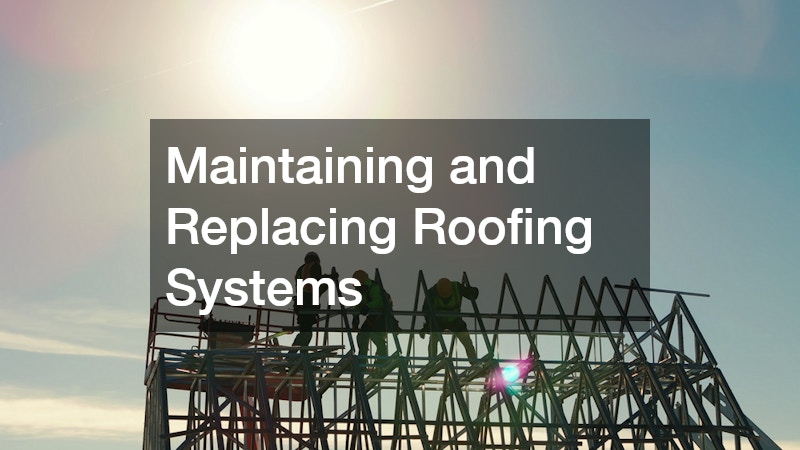
Maintaining and Replacing Roofing Systems
The roof plays a critical role in protecting business operations, equipment, and interior environments. As buildings age or usage increases, roofing systems may experience added stress that can lead to leaks, energy inefficiencies, or structural concerns. Proactively addressing roofing needs helps prevent disruptions that could affect productivity or customer experience.
Roof replacement becomes an important consideration when repairs are no longer sufficient to support long-term performance. Updating the roof can improve insulation, moisture control, and overall building reliability. By addressing roofing needs before problems escalate, businesses protect their assets and support uninterrupted operations as they continue to expand.
A reliable roofing system also supports planning and predictability. Unexpected roof failures can lead to downtime, damaged inventory, or safety concerns that interrupt growth momentum. Proactive replacement allows businesses to schedule work around operations rather than responding to emergencies. This approach helps maintain stability while supporting a safer, more resilient facility.
Business growth is often supported by partnerships that extend beyond internal teams. From visibility and infrastructure to safety and facility performance, strategic partners provide the services that allow businesses to operate efficiently while preparing for future expansion. Each partnership contributes to stability, consistency, and the ability to scale without unnecessary setbacks.
By aligning with partners that support both daily operations and long-term goals, businesses create stronger foundations for growth. Thoughtful collaboration allows leaders to focus on strategy and opportunity rather than constant problem-solving. When the right partnerships are in place, businesses are better positioned to grow with confidence and resilience.
Over time, these relationships become part of the business’s overall strategy rather than temporary solutions. Trusted partners help organizations adapt to change, manage growth responsibly, and maintain quality as operations expand.